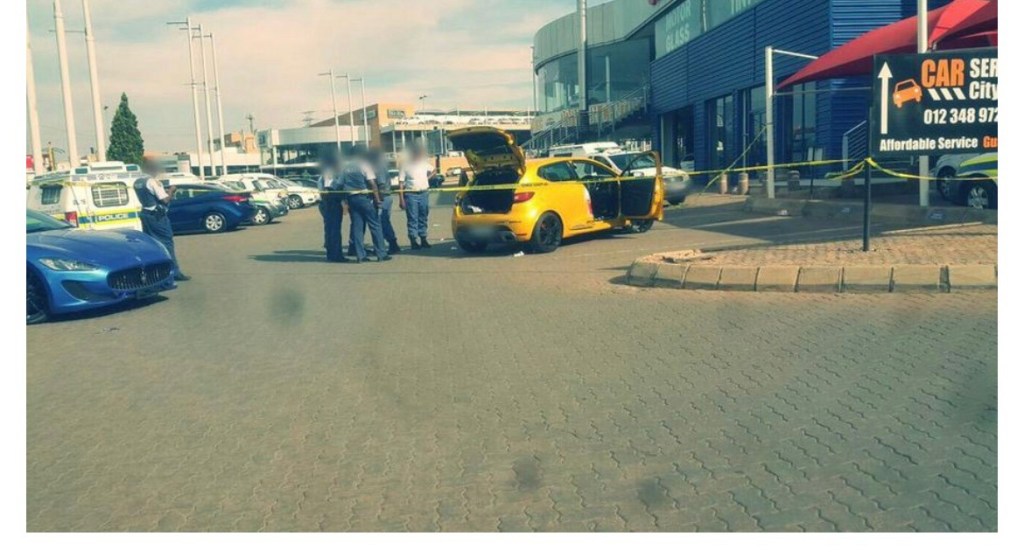
Police at the scene of the shootout In Menlyn, Pretoria
Pretoria’s bustling Menlyn area was thrown into chaos on 20th of November 2024 after a dramatic shoot-out left two individuals injured. The incident occurred near Garsfontein Road in Menlyn, Pretoria, shocking residents and shoppers alike.
According to police spokesperson warrant officer Johan Van Dyk , the cause of the shoot-out is still not known, and who exchanged gunfire at approximately 15:50. Eyewitnesses reported hearing multiple shots and seeing people scrambling for safety.
One eyewitness, anonymous , recounted: “I was walking to my car when I heard gunshots. Everyone was screaming and running. It was terrifying.”
The two injured individuals were transported to a local hospital for medical treatment and are currently in stable condition. Police have cordoned off the area and launched an investigation into the motives behind the incident.
Law enforcement has urged anyone with information about the suspects to come forward. Officer Van Dyk stated, “We are committed to ensuring the safety of the Menlyn community and bringing those responsible to justice.”
The Menlyn shoot-out has sparked concerns among residents about the rising levels of crime in Pretoria, prompting calls for increased security measures in the area.
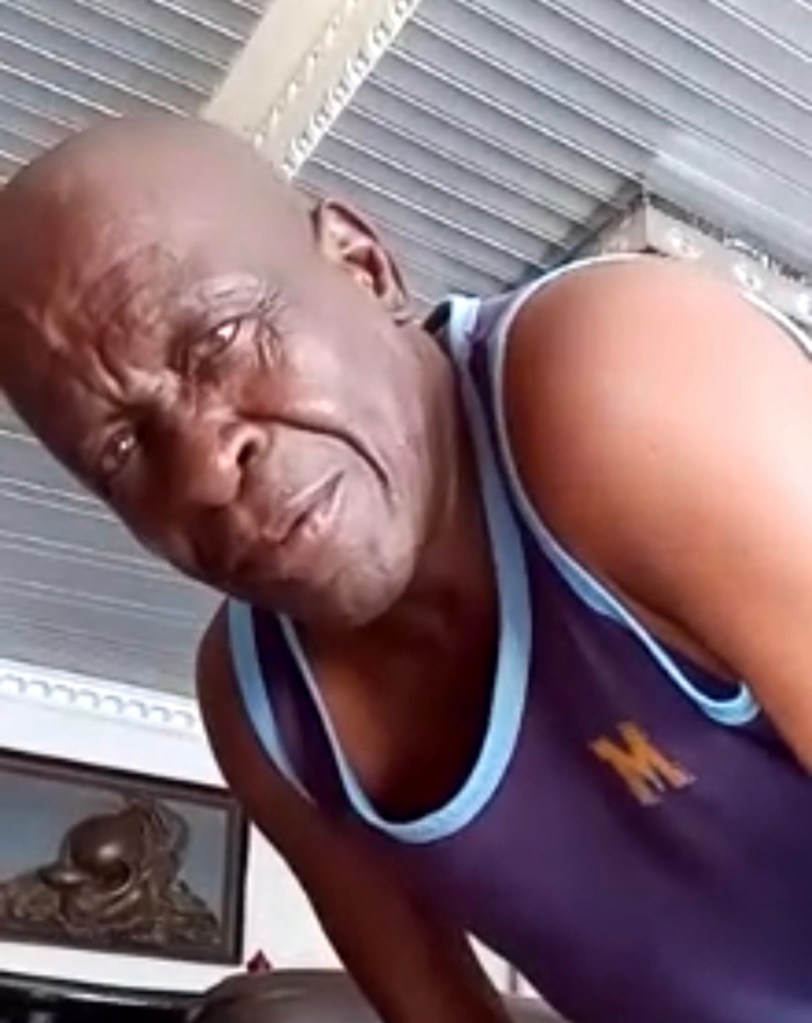
Mattofolux, a long-time resident of Tasbet Park, has become a beacon of hope and change for environmental conservation. Serving as ward councillor they have spearheaded several initiatives, including getting patrollers to patrol at night around the neighbourhood.
Born and raised in Nelspruit, Mattofolux understands the struggles and aspirations of the people they serve. Their most recent success, making sure that everyone feels safe within their homes, has gained widespread recognition, providing opportunities for over a lot of individuals in the past year.
In an interview, Mattofolux said, “My goal is to ensure that every resident feels seen and supported. Together, we can build a better future for all.”
Their dedication has inspired many in Tasbet Park, with residents praising their accessibility and action-oriented approach. As Mattofolux and his colleagues continues their mission, the community stands united in gratitude and hope.
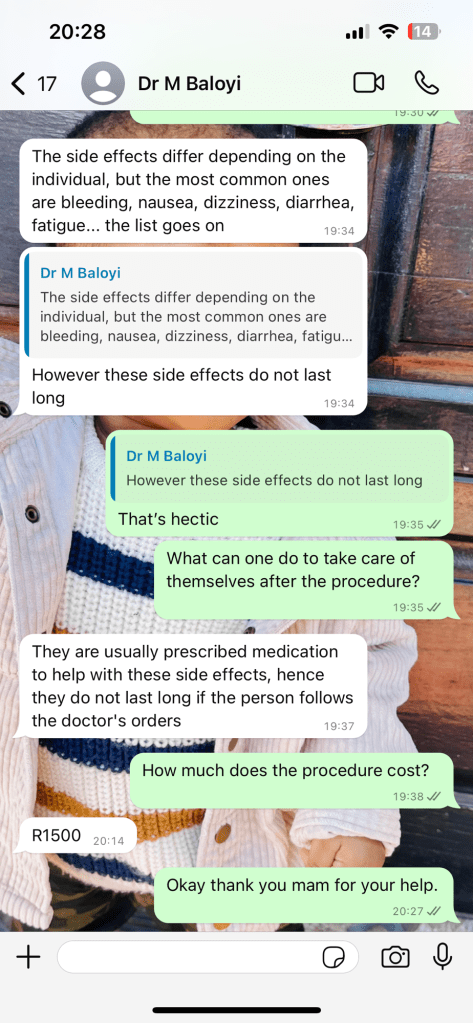
By: Carol Sibanda Abortion remains a highly polarizing issue worldwide, and in South Africa the tension between legality and accessibility continues to force many women into the shadows of the medical system. Despite the Choice on Termination Of Pregnancy Act of 1996 legalizing abortion on request up to 12 weeks and under specific conditions between 13 and 20 weeks, thousands of women still resort to unsafe, illegal procedures every year. The reasons behind this tragic trend are complex, rooted in social, economic and systemic failings that endanger the lives of women. South Africa’s progressive abortion law was heralded as a victory for women’s rights, giving them control over their reproductive health. However, the promise of safe and legal abortions has not reached all corners of the country. For many women, particularly those living in rural areas, poverty- stricken communities or informal settlements, accessing legal abortion services is fraught with challenges. In a country where nearly 57% of the population lives below the poverty line, the costs associated with transport, missed work, or childcare often make it impossible for women to reach health facilities that offer legal abortion services. A 2018 study by Ipas South Africa, an organization that works to improve women’s reproductive health access, found that only 7% of public health facilities in the country were offering abortion services. Many clinics in rural areas remain unequipped or unwilling to perform the procedure due to stigma, a lack of trained personnel, or personal objections from healthcare providers. For many women, these barriers create a harrowing dilemma: attempt to navigate the bureaucracy of an overwhelmed and under resourced public health system or turn to the underground network of illegal abortion providers, which offers quick but dangerous solutions. The proliferation of illegal abortion services in South Africa has reached alarming levels. A simple walk down on a busy street in Johannesburg or Pretoria reveals hundreds of hand- drawn posters advertising “Safe painless, same day- day” abortions. These clandestine providers operate out of unregulated clinics, apartments or even street corners, offering procedures for as little as R300, far less than a private clinic would charge. A West African male offered to do an illegal abortion for R500.00, well depending on how far you are with the pregnancy in Hammanskraal, the northern part of Pretoria. He introduced himself as Nessa and picks up clients at a specific place rather than giving clients the real location. Unfortunately, these services are anything but safe. Women are often given incorrect dosages of medication, misinformed about the risks or subjected to unclean conditions that can lead to severe infections, infertility or even death. In some cases, women are left with incomplete abortions forcing them to seek emergency medical attention- ironically, back in the public health system they initially sought to avoid. Nolwazi Shabangu, a 21 year old from Witbank shared her experience with an illegal abortion provider. Scared and not ready, Nolwazi seeked help from her friend who opted for a quick solution which was the “back door” abortion. “As a student with little money and no knowledge about legal abortion options, I ended up going to the place Thandeka suggested”. “The place looked dodgy” said Nolwazi. Stories like Nolwazi’s are far too common, with many women not as fortunate to survive. One of the most insidious factors driving women to illegal abortion providers is the stigma that still surrounds abortion, even when performed legally. Cultural and religious beliefs in many South African communities create an environment where women fear judgment from family members, peers and even healthcare workers. As a result, many women prefer to keep their decision secret, choosing clandestine methods that promise discretion but deliver danger. Misinformation further compounds the problem. In a digital age, false or misleading information about abortion services is readily available. Unscrupulous individuals prey on vulnerable women, offering cheap and quick fixes, often advertising through social media platforms or flyers pasted on walls in public spaces. These methods lure women in with promises of safety, with many not fully understanding the risks until it’s too late. The World Health Organization estimates that unsafe abortions account for up to 13% of maternal deaths globally, with the majority of these deaths occuring in developing countries like South Africa. Despite having one of the most liberal abortion laws on the continent, the country still reports thousands of complications resulting from illegal abortions every year. In addition to the physical risks, women who undergo unsafe abortions often face severe psychological trauma. Moreover, the burden on the healthcare system is significant. South African hospitals and clinics must dedicate resources to treating the complications arising from these botched procedures, further straining a system already battling high rates of HIV, tuberculosis and other pressing public health issues. A 2017 report from the Human Sciences Research Council found that the cost of treating complications from unsafe abortions could be up to five times higher than the cost of providing a safe, legal procedure in the first place. Solving South Africa’s illegal abortion crisis requires a multifaceted approach. The deputy minister of health Dr Sibongiseni Dhlomo stated that goverment has designated about 500 health facilities to provide safe and free termination of pregnancy by qualified healthcare workers in line with Choice On Termination Of Pregnancy Act No 92 of 1996. Dr M.Baloyi mentioned that terminating a pregnancy is done between 0-12 weeks, however the process has side effects which do not last long. The procedure costs about R1500.00, captain Rapoo mentioned that such cases are rarerly reported mainly because people are afraid to be judged. In addition, comprehensive sex education and contraception access are vital to preventing unwanted pregnancies in the first place. By breaking down the stigma surrounding abortion and providing accurate, accessible information, women will be better empowered to make informed decisions about their reproductive health. The reality is that women will continue seeking aortions regardless of legality, and the cost of ignoring this fact is too high to bear. South Africa must step out of the shadows and face the illegal abortion crisis head-on, for the health and safety of its women depend on it.
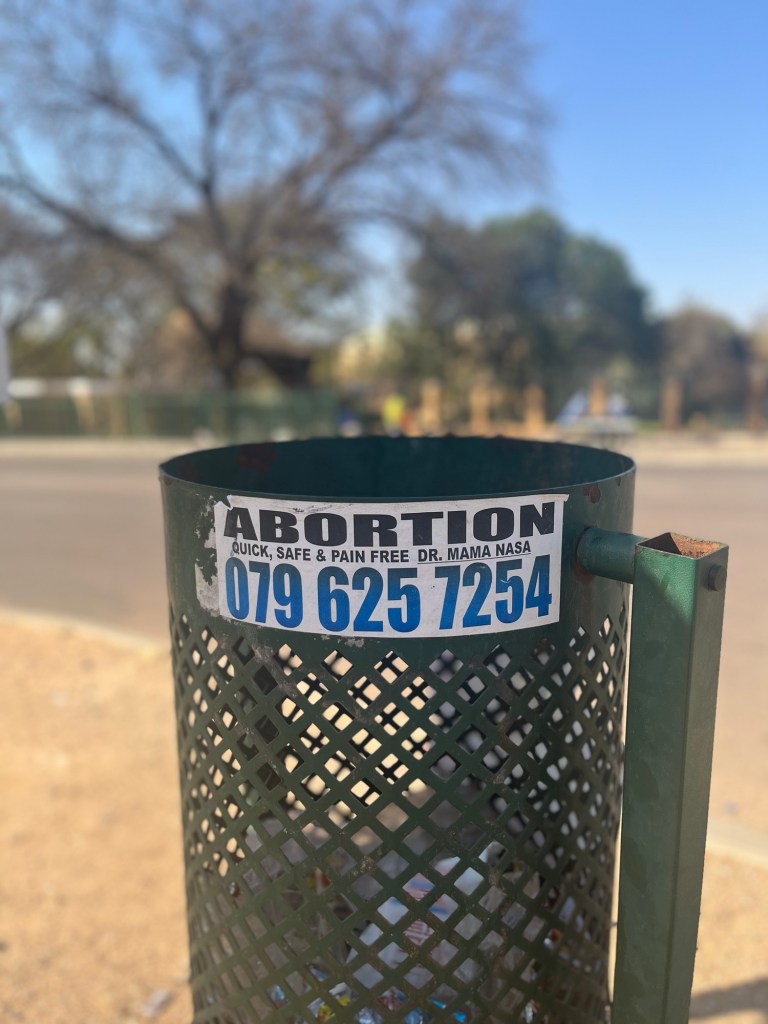
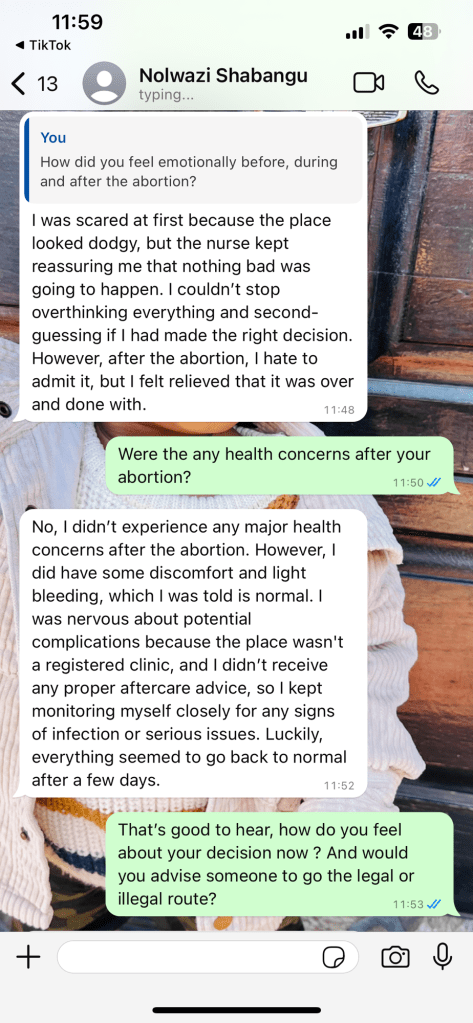
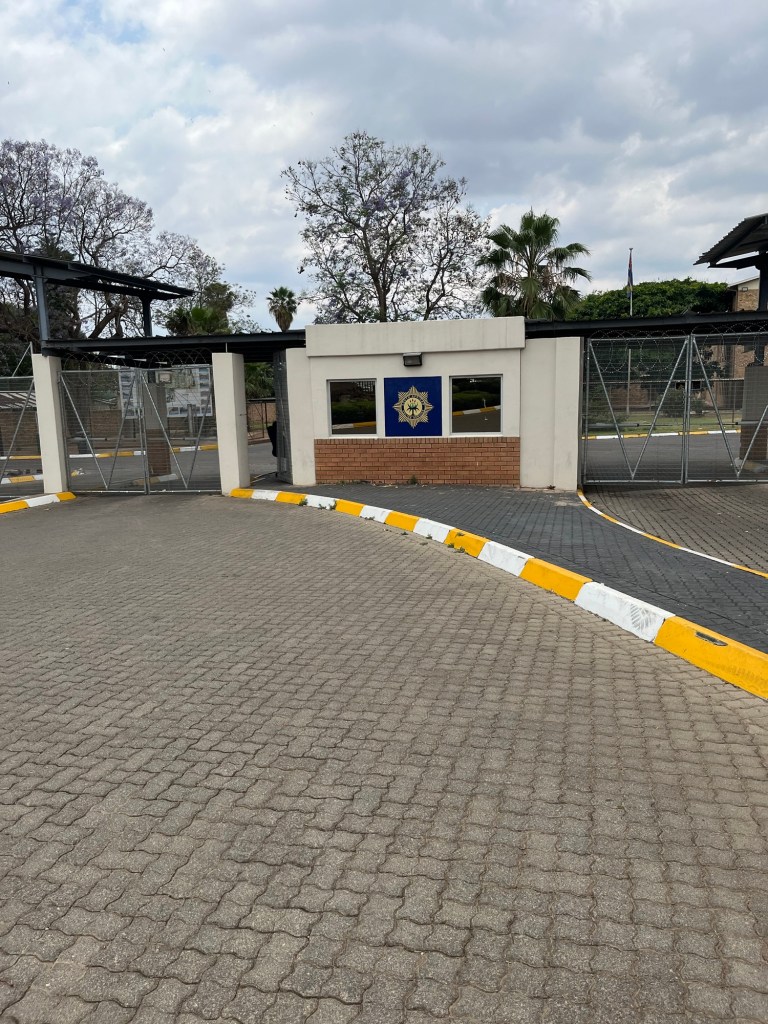
The numbers that women use to contact the performer of the procedure Part of a conversation/interview I had with a women who once did an illegal abortion Nearest police station to ask a few questions regarding the situation A conversation had with Dr.M. Baloyi
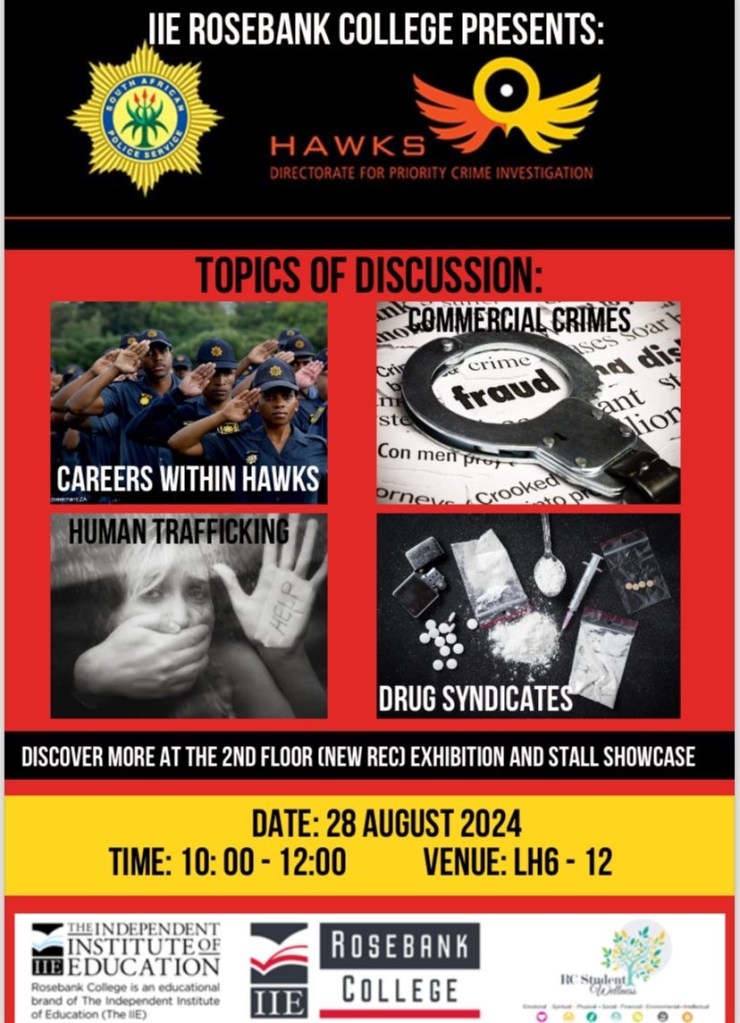
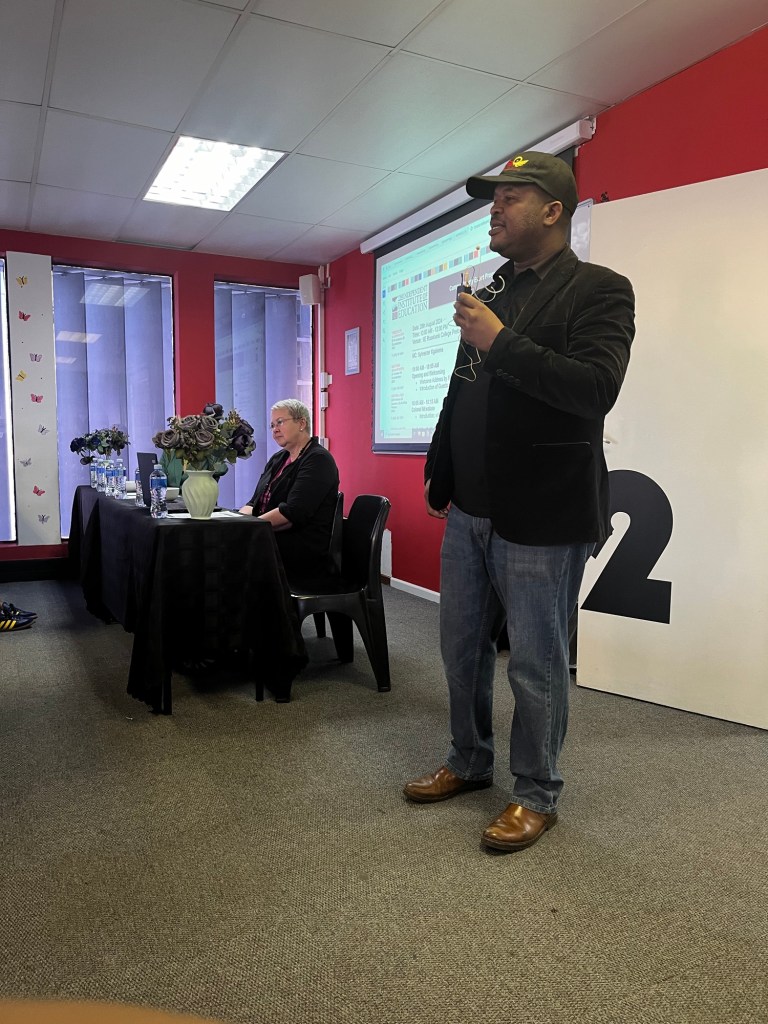
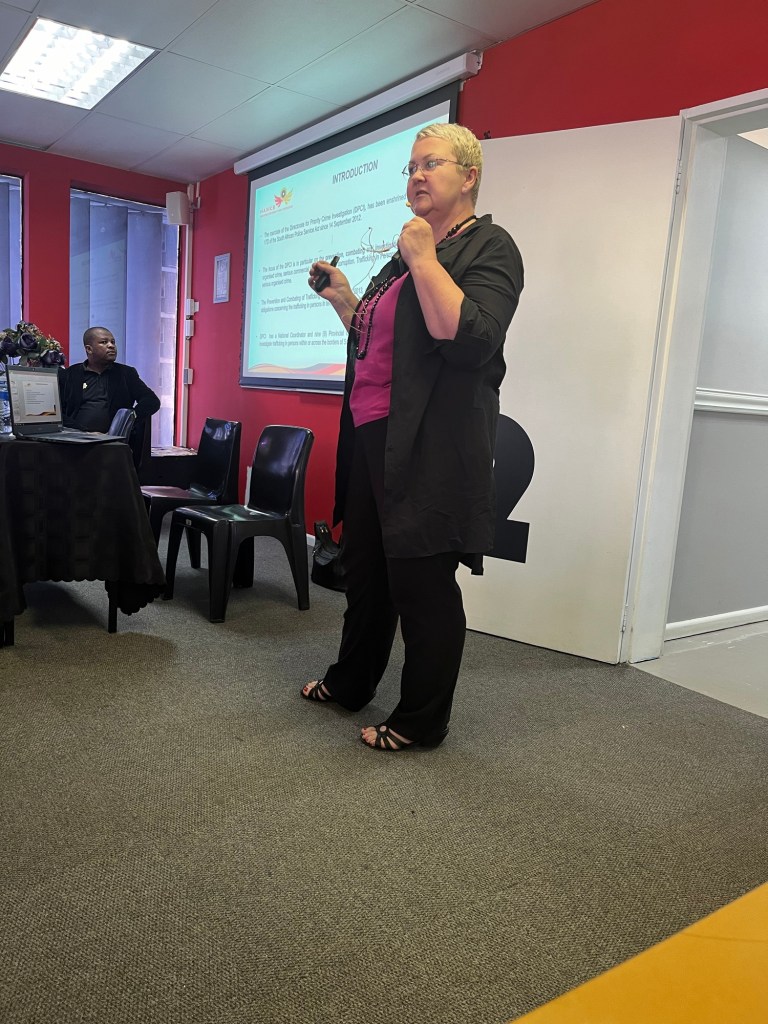
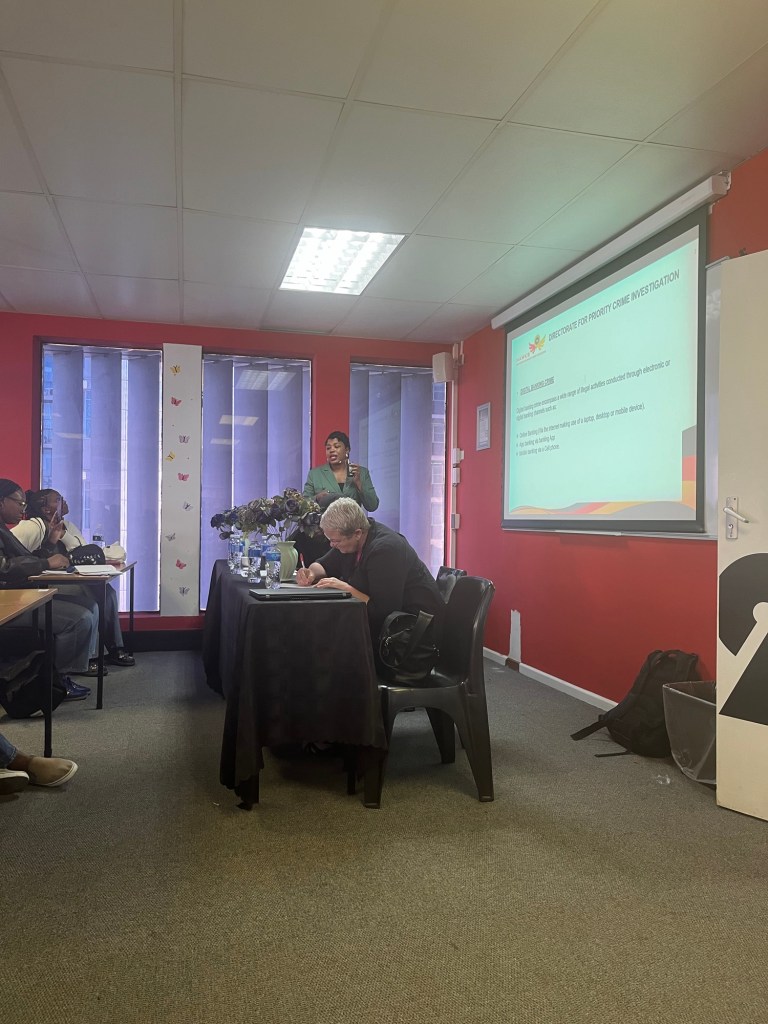
Pretoria, 28 August 2024- In a bid to raise awareness and combat rising social ills, members of the Hawks, South Africa’s Directorate for Priority Crime Investigation, visited the IIE Rosebank College on the 28 of August 2024 at aroud 10:00 till 12:00. The special task force team addressed students and staff on critical issues, including gender based violence, drug syndicate, human trafficking and fraud.
The event held at the campus drew a large audience of students, lectures and school officials. During their presetation, the Hawks representative Colonel Nkwalasa emphasized the importance of staying vigilant and taking proactive steps to combat these crimes.
One of the primary topics discussed was gender based violence. The Hawks urged students to speak up against any form of abuse and assured them of confidentiality and protection when reporting such incidents. They highlighted the alarming rise in GBV cases and the need for a united front to ensure safer environments for everyone.”Gender- based violence affects not only the victims but also their famalies and communities.” said Colonel Nkwalasa, a spokesperson for the Hawks.
The Hawks also shed light on the increasing issue of drug abuse among young people. Officers provided information on the harmful effects of narcotics and the legal consequences of drug possession and trafficking. They encouraged students to aviod peer pressure and seek help if they or someone they know is struggling with addiction.
“We see a disturbing trend where drugs are becoming accessible to students” said Colonel Nkwalasa. “Our aim is to educate you so that you can make informed choices and stay clear of activities that could ruin your future.”
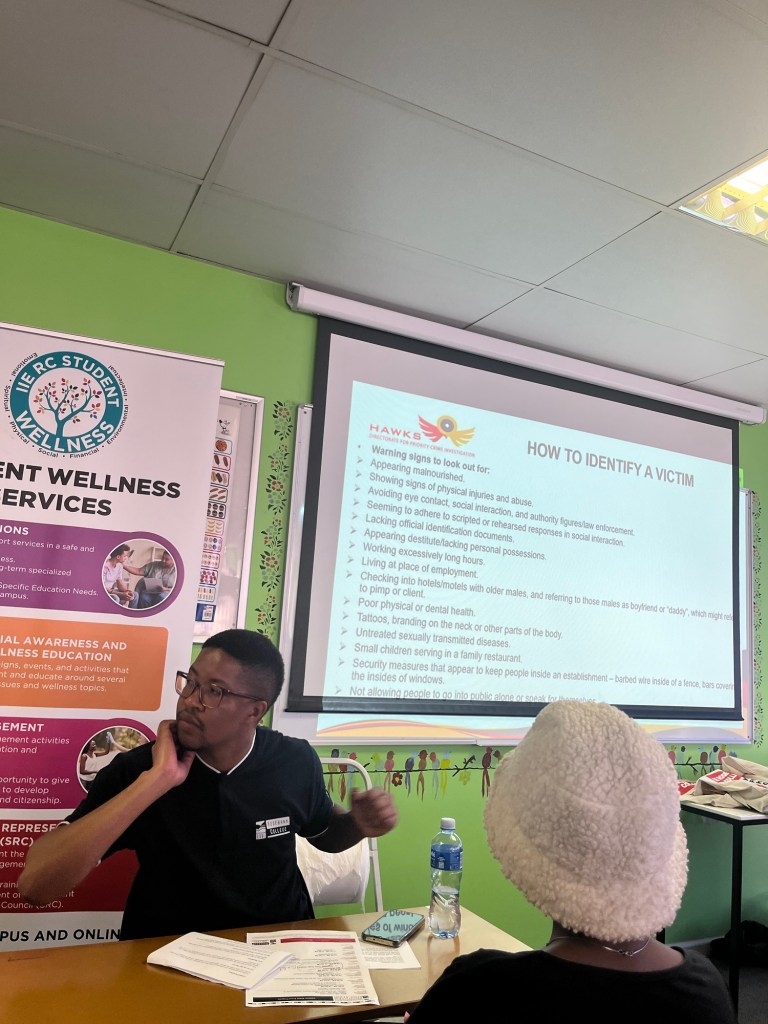
Human trafficking was another critical issue addressed during the session. The Hawks provided students with information on recognisng the signs of human trafficking and emphasized the importance of being cautious with personal information and online interactions.
“Traffickers often use social media to lure victims.” Miss Liesel warned. “Be careful who you communicate with online and always inform a trusted adult about any suspicious activities.”
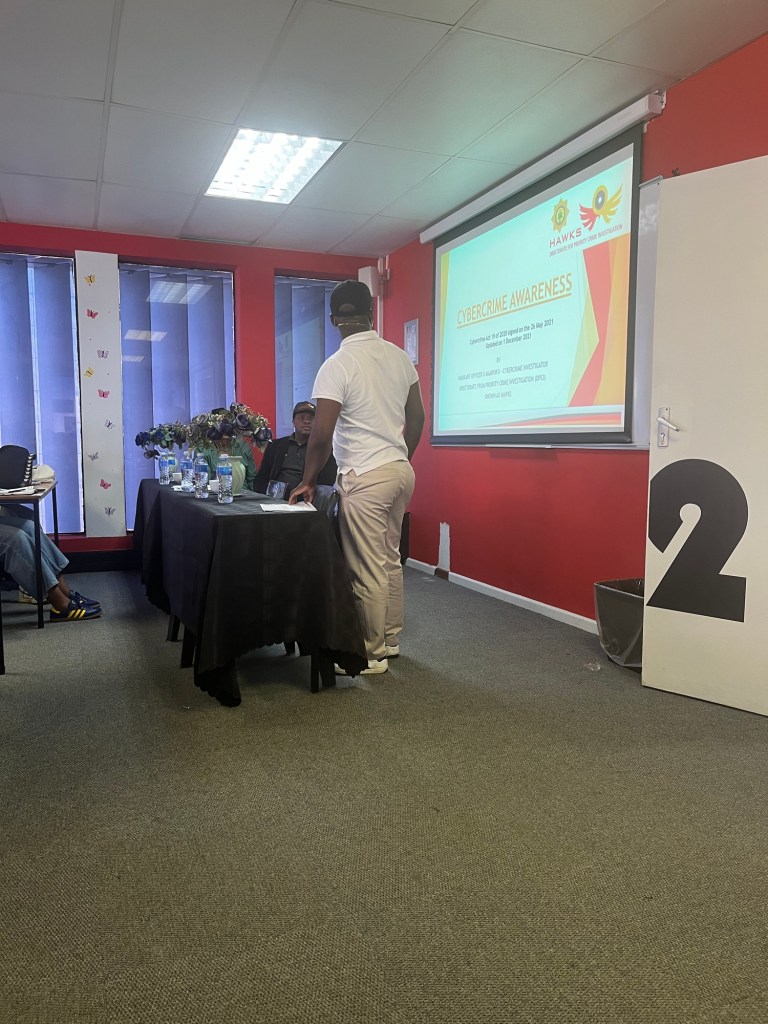
Lastly, the Hawks discussed various types of fraud, including cyber fraud which has become increasingly prevalent. They advised students to safeguard their personal information and remain cautious when dealing with unknown contacts or financial transactions.
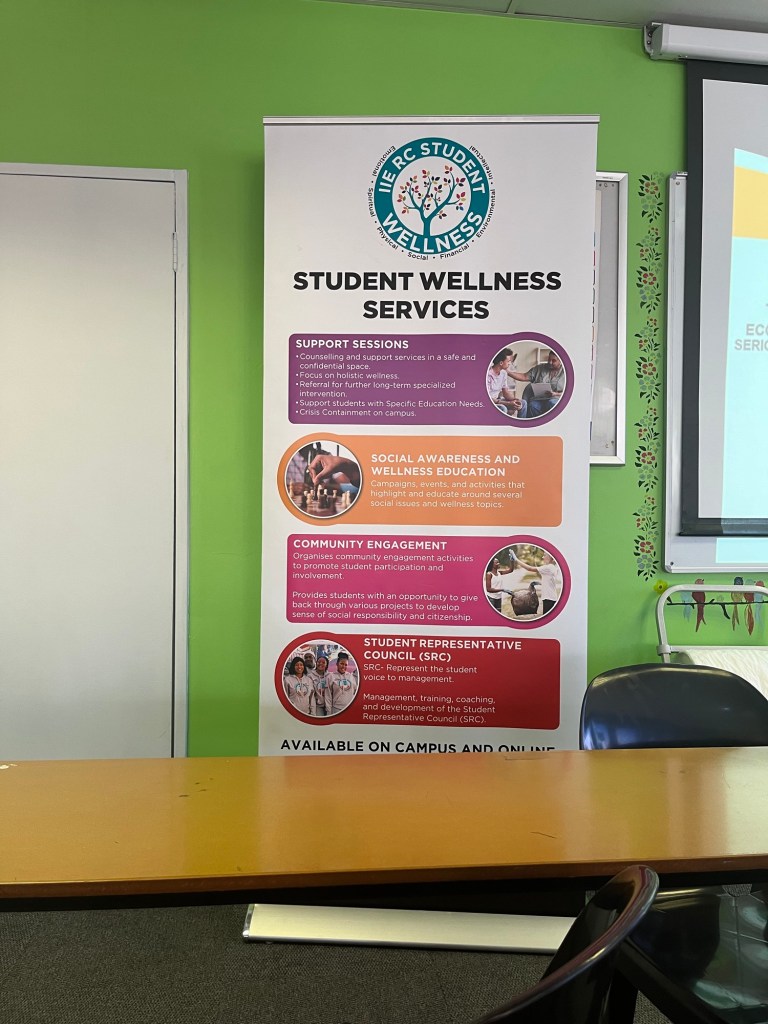
The school representative praised the Hawks for their commitment to educating and protecting the youth. “We are grateful for the Hawks visit.” he said. The Hawks visit concluded with a Q&A session, where everyone who attended had the opportunity to ask questions and gain more insights into the discussed issues. Information and numbers were distributed to attendees.
 Site Title